Not every wet spot needs a crew. A small spill on a hard floor, wiped and fanned within a day, is a home job. A leak that reached a wall, a cabinet base or carpet pad is different, because moisture stays inside after the surface looks dry.
This guide sorts the cases and explains the limits of DIY drying.
Cases you can usually handle yourself
- A small spill of clean water on tile, vinyl or sealed concrete.
- A damp towel or rug that has been moved and dried.
- A bath mat or area rug that got wet and can be taken outdoors.
- A small amount of condensation on a window sill, wiped dry quickly.
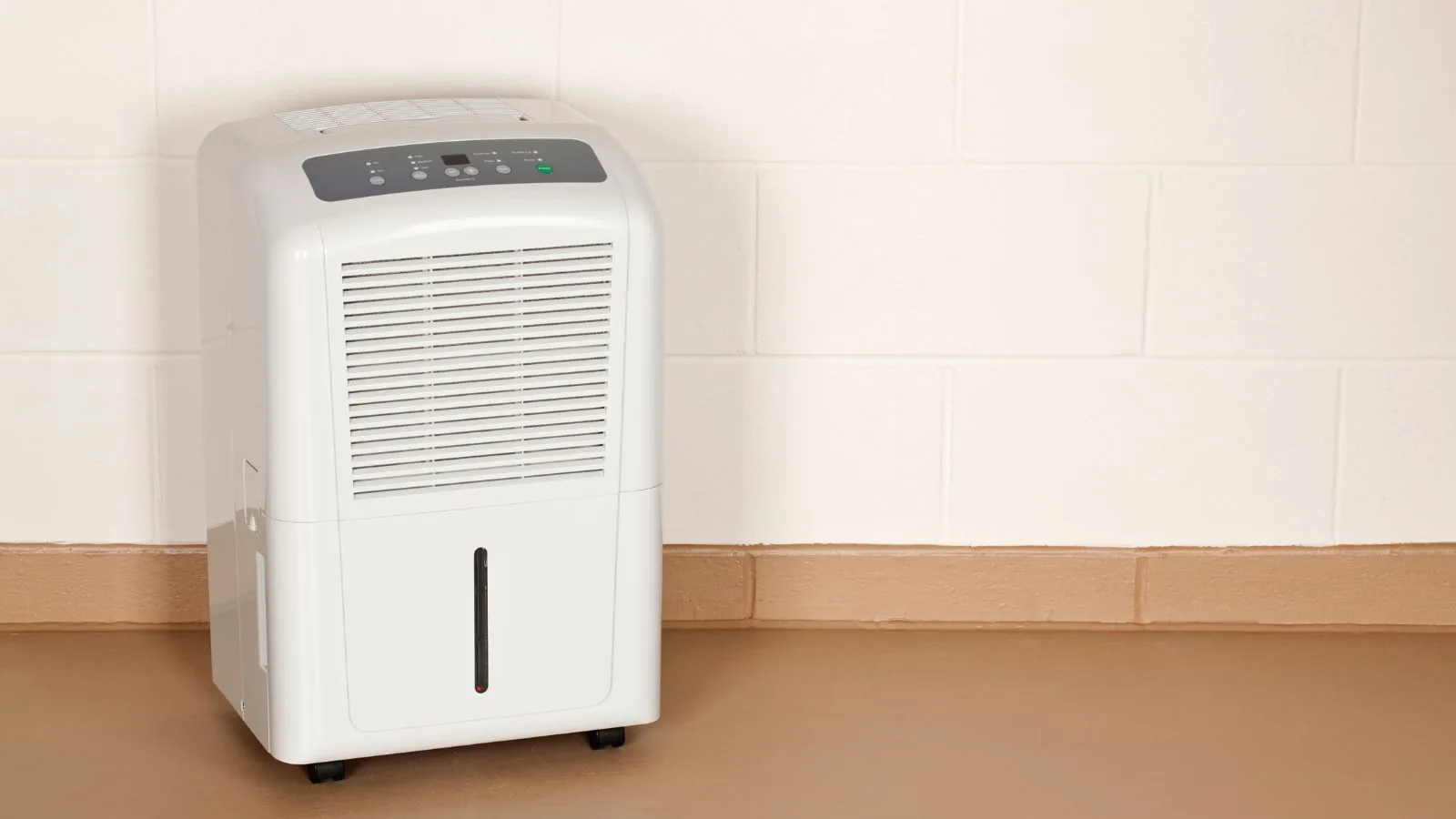
Soak up water, open windows if outdoor humidity is low and run a fan. A household dehumidifier helps. Check again in a few hours.
Cases that need professional drying
| Situation | DIY? | Why |
|---|---|---|
| Water in walls or cabinets | No | Moisture hides inside |
| Wet carpet pad | No | Pad holds water for days |
| Water from sewage or flood | No | Contaminated |
| Water that sat for more than a day | No | Mold risk rises |
| Wet hardwood | No | Boards can cup quickly |
| More than a few square feet | Usually no | Needs larger equipment |
If you are unsure, a moisture meter reading settles it. Many pros will check before recommending a full job.
How to dry a small area well
A DIY drying order
- Stop the source of water.
- Remove standing water with towels, a mop or a wet vacuum.
- Move furniture and items off the wet area.
- Run fans across the surface and a dehumidifier in the room.
- Check the area with your hand and a meter after a few hours.
Keep fans and the dehumidifier running until the area feels dry to the touch and the air feels normal. Do not close the room and trap humid air.
Signs water is still hiding
- A musty smell that stays after cleaning.
- Baseboards that swell or paint that bubbles.
- Floors that feel cool or soft.
- Walls that feel cool and damp.
- Windows that fog without a reason.
These signs suggest moisture inside the structure. See structural drying and dehumidification for how pros find and remove it.
Mistakes that make water damage worse
- Heating a room to dry it, which can speed mold.
- Painting or sealing over damp surfaces.
- Waiting several days before drying.
- Using a household vacuum on water.
- Closing a damp room without ventilation.
Tools that help at home
A few tools make home drying more effective. A wet and dry shop vacuum removes water faster than towels. A box fan or two moves air. A dehumidifier pulls moisture out of the room. A pin-type moisture meter, sold at hardware stores, gives a rough reading in wood and drywall.
- Use a shop vacuum rated for liquids, never a household vacuum.
- Aim fans across the surface and toward an open door or window.
- Set the dehumidifier to a low humidity target and empty it often.
- Take readings in several spots and write them down.
- Compare wet spots to a dry spot in the same room.
If readings do not fall after two days, call a professional.
Drying in Chicago-area weather
Woodridge summers are humid, so open windows may add moisture. Winter air is dry but cold, which slows drying. Use a dehumidifier in either season and watch outdoor humidity.
For help with larger jobs, see water extraction and the Woodridge service area page.
DIY drying questions from Woodridge homeowners
Within a day or two. After that, mold and odor risk rise.
For small, clean spills, yes. For larger jobs, air movers and dehumidifiers work better.
Home meters give a rough idea. Professional meters and thermal cameras are more accurate.
Heat alone does not remove moisture. A dehumidifier does. Excess heat can encourage mold.
Treat it as contaminated and call a professional.
Possibly for materials, but keep photos and receipts. Ask your insurer.
Sources and standards: the ANSI/IICRC S500 Standard for Professional Water Damage Restoration, which defines water categories, drying classes and goals, and consumer guidance from the Illinois Department of Insurance on homeowners coverage. These are general references and not a promise of coverage or a result.