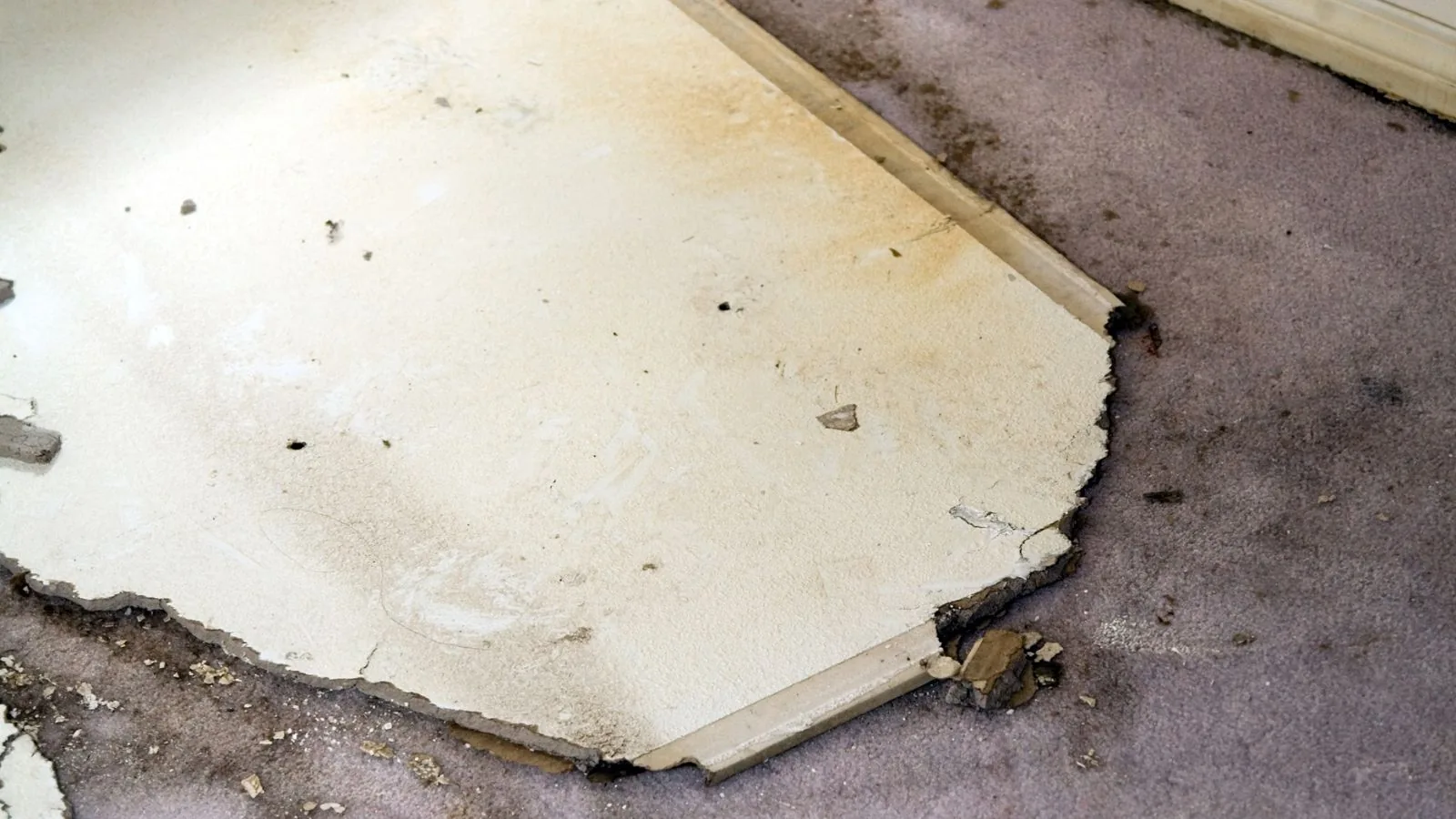
If your basement has water, stay off wet floors until you know the electricity is safe. Shut off power to the area at a dry panel or call the electric utility. Then call the 24/7 line. Do not use a household vacuum on standing water.
Basement water damage cleanup is the pumping, removal, drying and cleaning of a lower level after a leak, storm, sump failure or sewer backup. Basements hold carpet, drywall, boxes and framing that soak up water quickly.
Basement emergency: first steps and safety
What to do while water is in the basement
- Keep out of standing water until power is off.
- Do not carry wet items upstairs through clean rooms without bagging them.
- Move valuables and electronics to higher shelves or upstairs.
- Photograph the water level and damaged items for your claim.
- Find the source: a pipe, a sump pump, a window well or the floor drain.
Water from the floor drain or toilet may be sewage. See sewage backup cleanup before touching anything.
Why basements flood in Woodridge
Census data for the school district area suggest most Woodridge homes date from 1970 to 1999, with about a quarter built earlier. Whether a home has a basement, a sump pump or window wells varies from house to house, so tell the dispatcher what yours has.
- Heavy rain that overwhelms the sump pump or storm drains.
- A sump pump that failed, lost power or was never installed.
- Window wells that fill with water or debris.
- Foundation cracks that seep after wet weather.
- A burst pipe, water heater failure or washing machine leak.
The area receives about 38 inches of precipitation a year based on National Weather Service normals for Chicago O'Hare. Saturated soil pushes water toward foundations. For river flooding, see flood damage restoration.
| Material | Result when soaked | Usual action |
|---|---|---|
| Carpet and pad | Holds water, smells | Lift, dry or replace |
| Drywall | Wicks water upward | Cut 2 feet above the line or more, replace |
| Insulation | Sags, stays wet | Remove |
| Concrete floor | Holds moisture for days | Dry with dehumidifiers |
| Stored boxes and furniture | Mold risk, damage | Sort, dry or discard |
How basement cleanup works
Crews pump the water, remove carpet, pad and wet drywall, then clean surfaces. Air movers and dehumidifiers dry the framing and slab. Readings are logged daily until the space reaches a dry standard. See structural drying for how that works.
Restoration is not waterproofing. It removes water and dries the space. Fixing grading, gutters, the sump pump, the drain tile or the foundation is a separate job, usually done by a contractor.
Sump pumps, window wells and drains
Most basement flooding in the Chicago area comes through three paths: the sump pit, window wells and the floor drain. Knowing which one failed helps you prevent a repeat. A sump pump that runs constantly during rain may be undersized, or its discharge line may be blocked or frozen.
- Test the pump by filling the pit with water until the float lifts.
- Keep the discharge line clear and away from the foundation.
- Install a battery backup in case of a power outage.
- Cover window wells and keep them free of leaves.
- Have a plumber check the floor drain and backwater valve.
Layouts matter after a lower-level leak. The Winston Hills page explains how raised ranches, split-levels and ranches hold water differently.
What affects basement cleanup cost
- Water depth and square footage of the lower level.
- Water category: clean, gray or sewage.
- Amount of carpet, pad, drywall and insulation to remove.
- Drying days and number of dehumidifiers.
- Contents handling and rebuild, priced separately.
Want your real number? Call with the water depth and what finishes the basement has. The scope and price are explained before work starts.
Call (630) 580-6401Homeowners policies often exclude surface flooding and groundwater. Sudden pipe breaks are different, and a water backup endorsement may cover sump or drain failures. Ask your insurer.
Basement water damage questions from Woodridge homeowners
Yes. The line is open 24/7, including during storms. Call from a dry place. The dispatcher will explain safety steps and arrange same-day response when available. No arrival time is promised.
No. Restoration removes water and dries the space. It is not waterproofing. A contractor handles drainage, grading, a sump pump or foundation sealing.
Treat it as unsafe until power is off and the source is known. Water from drains, the ground or a storm can carry contaminants.
Wet drywall often has to be cut out above the waterline. Insulation behind it is usually removed. A crew checks with a moisture meter.
Sump failure and groundwater are often excluded unless you have a backup endorsement or flood policy. Sudden pipe breaks are often covered. Read your policy.
Usually several days. Concrete holds moisture, so readings guide the end date.
Sources and standards: the ANSI/IICRC S500 Standard for Professional Water Damage Restoration, National Weather Service climate normals for Chicago O'Hare, U.S. Census housing data for the Woodridge School District 68 area and the Illinois Department of Insurance.