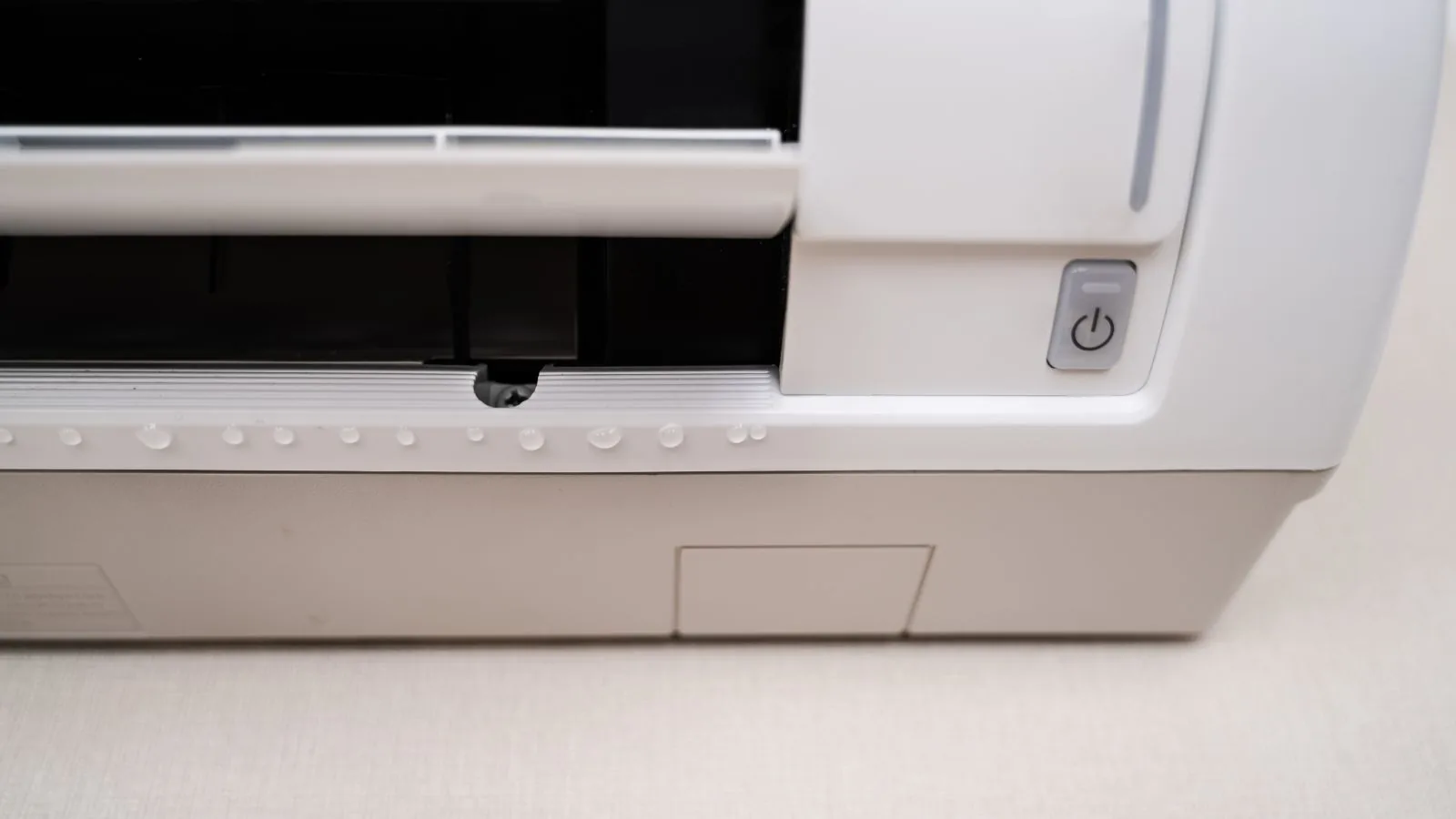
If your air conditioner is leaking, switch it off at the thermostat, then clean up standing water. Running a clogged unit makes the leak worse. Call the line for drying and call an HVAC technician to fix the unit.
AC leak water damage is the wetting of ceilings, closets, attics and floors caused by condensate that cannot drain, a cracked drain pan, a frozen evaporator coil or a failed line. The water is clean but constant.
Why an air conditioner leaks inside the house
An air conditioner pulls moisture from indoor air. That water, called condensate, drains through a line to a floor drain or the outdoors. When the line clogs with algae and dust, the pan overflows.
- A clogged condensate drain line.
- A cracked or rusted drain pan.
- A frozen evaporator coil that melts and floods the pan.
- A disconnected or kinked line after service.
- A float switch that failed to shut the unit off.
Summers in the Chicago area are humid, and air handlers in attics or closets run for months. A slow drip can last weeks before a stain shows.
What to do when the air conditioner drips
- Turn the system off at the thermostat.
- Place a pan or bucket under the drip and wipe standing water.
- Keep clear of wet electrical parts on the unit.
- Do not run the system until a technician clears the drain line.
- Check the ceiling below an attic unit for bulges.
Where AC water goes and what it damages
| Unit location | Where water appears | What gets wet |
|---|---|---|
| Attic air handler | Ceiling stains below | Insulation, drywall, joists |
| Closet air handler | Closet floor, adjoining wall | Carpet, wall base, subfloor |
| Basement furnace and coil | Floor around the unit | Concrete, stored items, wall base |
| Rooftop or exterior unit | Seams, curb and ceiling below | Roof deck, ceiling tiles |
Because the water is clean, many materials can be dried if they are reached early. After a few days of constant dripping, insulation and drywall are usually replaced.
How crews dry an AC leak
Crews remove standing water and wet insulation, open the ceiling or wall base where needed and set air movers and dehumidifiers. Moisture meters guide where to stop. The technician repairs the drain line.
If the water stained a ceiling, the ceiling water damage repair page explains the repair. Lingering dampness can grow mold. See mold remediation for what to do if you smell mustiness.
Preventing the next AC leak
Most AC leaks are preventable with a yearly service visit. A technician clears the condensate line, checks the drain pan and tests the float switch. A float switch shuts the system off when the pan fills, which stops the leak before it reaches the ceiling.
- Schedule a cooling-season tune-up each spring.
- Pour a cup of vinegar down the condensate line port as the technician advises.
- Replace the air filter on schedule so the coil does not freeze.
- Install a secondary drain pan or a water sensor under attic units.
- Check the ceiling below the unit after the first hot week of the year.
If water reached insulation or framing, see structural drying and dehumidification for how it is dried.
What affects AC leak repair cost
- How long water dripped before the stain showed.
- Whether the unit is in an attic, closet or basement.
- How much insulation and drywall are wet.
- Drying days needed.
- Ceiling texture and paint matching.
Want your real number? Call with the unit location and the size of the stain. The scope and price are explained before work starts.
Call (630) 580-6401Sudden discharge may be covered. Water from a drain line that was never maintained often is not. Check your policy and photograph the unit.
AC leak questions from Woodridge homeowners
If water is dripping onto a ceiling or electrical fixture, treat it as one. Turn the unit off, protect the area and call. Slow leaks onto a hard floor can wait for the next business day.
A wet and dry vacuum on the outside end of the condensate line often clears a simple clog. If water keeps returning, call an HVAC technician.
A frozen coil can block airflow, then melt into the pan. Turn the system off and let the ice thaw before calling for service.
Sudden overflow is often covered. Maintenance neglect, such as an unserviced drain line, may be excluded. Ask your insurer before repairs.
Damp materials left wet for more than a day or two can support mold. Quick drying is the best way to prevent it.
Small leaks dry in two to three days. Attic or ceiling leaks can take longer, because insulation holds water.
Sources and standards: the ANSI/IICRC S500 Standard for Professional Water Damage Restoration, which defines water categories, drying classes and goals, and consumer guidance from the Illinois Department of Insurance on homeowners coverage. These are general references and not a promise of coverage or a result.