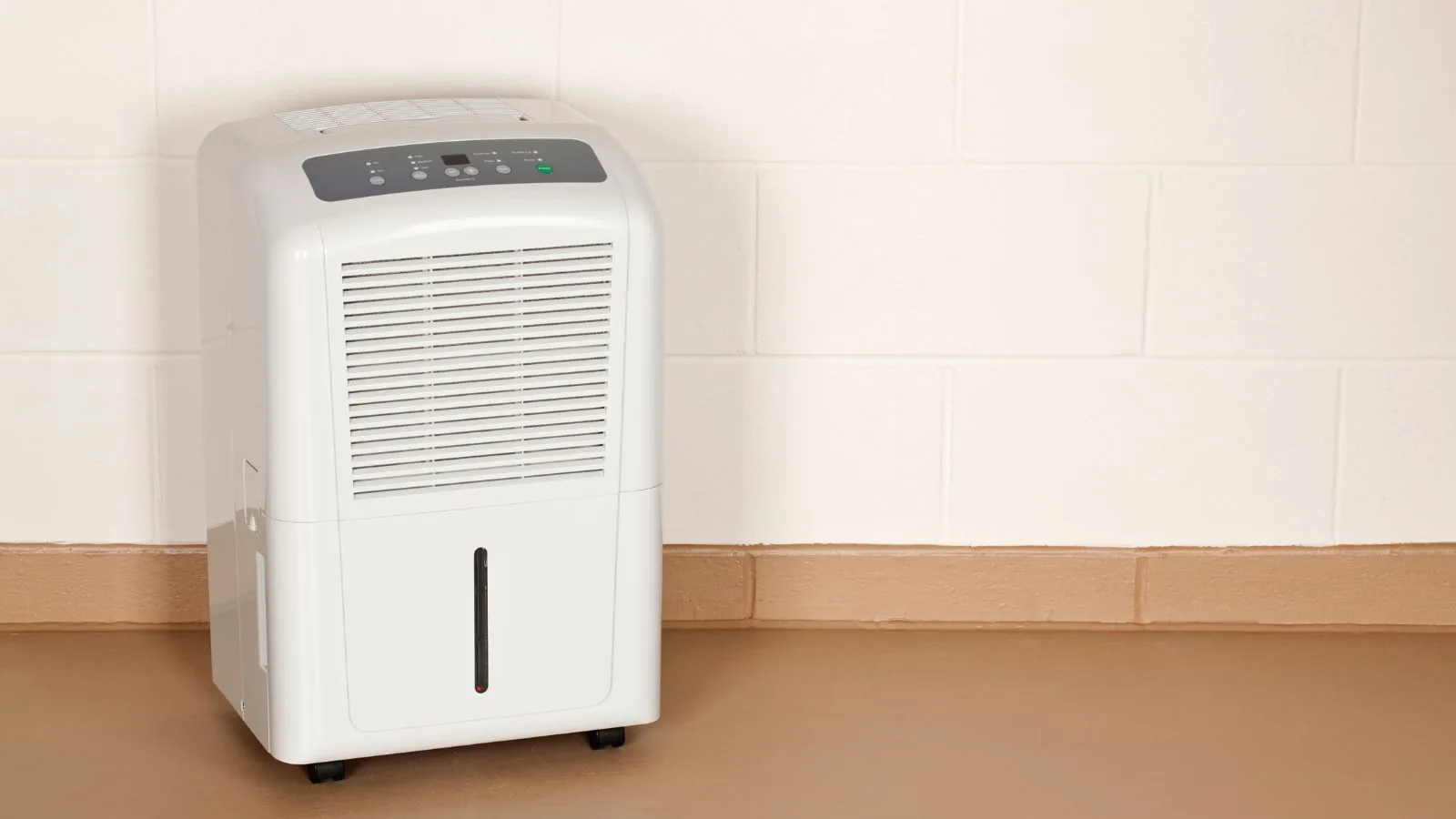
Signs your house is still wet after a leak
A surface that looks dry can hold water behind it. If you had a leak, a flood or a spill and any of these signs remain, the structure may still be wet.
- A musty or earthy smell that does not leave.
- Walls that feel cool, damp or soft to the touch.
- Baseboards that swell, paint that bubbles or wallpaper that peels.
- Floors that cup, buckle or feel spongy.
- Windows that fog or sweat when the weather is not humid.
These are signs that moisture is trapped. A moisture meter and a thermal camera show where, and a drying plan removes it.
What to do while equipment is running
- Keep the equipment on and do not move or unplug it.
- Keep children and pets away from cords and hoses.
- Keep doors and windows closed in the drying area unless the crew says otherwise.
- Do not run the heat very high, since the crew sets the plan.
- Report new odors or damp spots to the crew.
What structural drying means
Structural drying is the controlled removal of water from building materials after the standing water is gone. Air movers push dry air across surfaces. Dehumidifiers pull moisture out of the air. Meters track progress each day until readings match a dry reference.
The ANSI/IICRC S500 standard is the industry reference for water damage restoration. It defines categories of water, classes of damage and drying goals. Crews use it as a guide, not a promise.
| Method | What it does | Used for |
|---|---|---|
| Air movers | Move air across wet surfaces | Floors, walls, cabinets |
| Low grain refrigerant dehumidifiers | Pull moisture from air | Most homes and finished basements |
| Desiccant dehumidifiers | Dry very cold or very damp spaces | Winter jobs, crawl spaces |
| Injection drying | Pushes air into wall cavities | Walls that cannot be opened |
| Floor drying mats | Draw water from under hard floors | Hardwood, engineered wood |
How a drying job runs
The five steps of a drying job
- Measure. Moisture meters and a thermal camera map wet areas, and readings are logged.
- Remove. Standing water is extracted and materials that cannot be dried are taken out.
- Set equipment. Air movers and dehumidifiers are placed to move and remove moisture.
- Monitor. A crew returns to check readings and move equipment.
- Confirm. Equipment is removed when materials reach a dry standard.
A typical job runs three to five days, though large losses take longer. The meter decides, not the calendar. See water extraction for the step before drying.
Why drying matters in Chicago-area homes
Houses built in the 1970s through 1990s are common in Woodridge. Many have finished basements, carpet over slab and wood framing. All of these hold water. Chicago-area winters keep homes closed up, and humidity from drying stays inside unless it is removed by machine.
Unchecked moisture can lead to mold. Dry materials quickly, and see mold remediation if growth is already visible.
For leaks inside walls, see wall and drywall repair.
What affects structural drying cost
- Size of the wet area and the number of rooms.
- Water category and class.
- Number of air movers and dehumidifiers needed.
- Drying days until readings match a dry standard.
- Whether walls or floors must be opened.
Want your real number? Describe the leak and the rooms involved. The scope and price are explained before work starts.
Call (630) 580-6401If your loss is covered by homeowners insurance, drying is usually part of the claim. Keep the daily moisture logs.
Drying questions from Woodridge homeowners
Look for a musty smell, cool damp walls, bubbling paint and swollen baseboards. A moisture meter and thermal camera confirm whether water is still inside.
For a small, clean spill, yes. For anything that reached walls, cabinets or a subfloor, professional equipment and meters are needed, since surface dryness is not enough.
Most jobs take three to five days. Large or deep losses take longer. Equipment stays until readings meet a dry standard.
Air movers and dehumidifiers run all day. Dehumidifiers add heat. That is how they remove moisture, so do not turn them off.
Fast, complete drying reduces the conditions for mold growth. It cannot promise a result. Ask a mold provider if growth is already present.
Yes. See the commercial water damage page for how larger buildings are handled.
Sources and standards: the ANSI/IICRC S500 Standard for Professional Water Damage Restoration, which defines water categories, drying classes and goals, and consumer guidance from the Illinois Department of Insurance on homeowners coverage. These are general references and not a promise of coverage or a result.