After water damage, you will hear mitigation, restoration and remediation. They are not the same, though companies use them loosely. Understanding them helps you compare quotes and ask for the right work.
There is no single legal definition, so ask each company what it means.
Mitigation: stop more damage
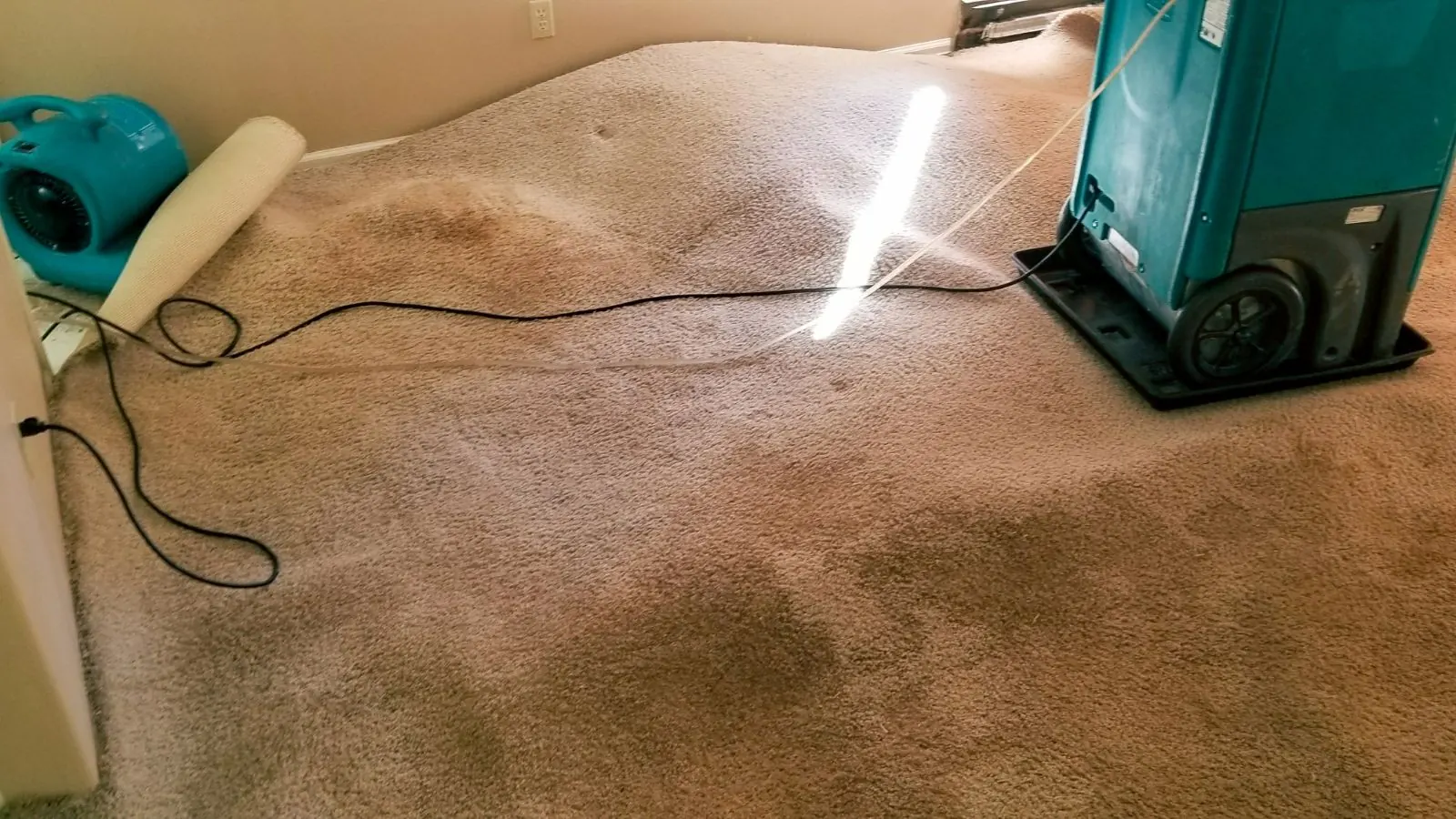
Mitigation is the emergency stage. It includes shutting off water, extracting standing water, removing wet materials and setting drying equipment. The goal is to keep damage from growing. It is usually the first work done.
Restoration: dry and bring back
Restoration usually means drying the structure, cleaning and repairing what was damaged so the building returns to its prior condition. It includes drying to a standard, treating odors and rebuilding finishes.
Remediation: remove a contaminant
Remediation usually applies to contaminants such as mold or sewage. It means removing the contaminant or the affected materials and correcting the cause. For mold, it follows a plan with containment and verification.
| Term | Focus | Example |
|---|---|---|
| Mitigation | Stop damage from spreading | Pumping water, removing wet carpet |
| Restoration | Dry and repair to prior condition | Drying walls, replacing drywall |
| Remediation | Remove a contaminant | Mold removal, sewage cleanup |
| Reconstruction | Rebuild finishes | New drywall, flooring, paint |
Why the words matter on a quote
A quote that says remediation may be about mold. A quote that says mitigation may stop at water removal. A quote that says restoration may include rebuild. Ask what is included and what is not.
- Does the quote include drying to a standard?
- Does it include rebuild, or only removal?
- Who performs testing and clearance?
- What triggers a change in price?
How the stages fit together
A typical job runs in order: mitigation first, then drying and restoration, then reconstruction. If mold is present, remediation is added. See structural drying and mold remediation for details on each stage.
Insurance often treats mitigation as urgent and reimburses it when the loss is covered. Reconstruction comes later and may be done by a different contractor.
How these terms show up in estimates and insurance
Insurance adjusters and contractors use different words for the same work. An adjuster may write water mitigation. A contractor may write emergency services. A mold provider may write remediation protocol. Ask each party to describe the work in plain terms.
| Label on paper | Plain meaning |
|---|---|
| Emergency services | Water removal and drying setup |
| Mitigation | Steps to limit damage |
| Demolition | Removal of wet materials |
| Remediation protocol | Written plan to remove contaminants |
| Reconstruction | Rebuild of finishes and structure |
When two quotes differ, compare the labels first. One quote may include a stage the other leaves out.
Who handles what
A single company can handle several stages, or you can hire different firms. Using one company for mitigation and restoration keeps records together. Mold remediation is often separate, so that testing and clearance can be independent. Rebuild may be done by a general contractor of your choice.
Standards behind the words
Industry standards give the words some structure. The ANSI/IICRC S500 standard describes water damage restoration, including water categories, drying classes and goals. The ANSI/IICRC S520 standard describes mold remediation, including conditions of a building and containment. These are guides that professionals reference. They are not licenses.
Ask a company how it uses them. A good answer is specific, such as describing how drying goals are set or how containment is built.
Questions that cut through the jargon
- What exactly will you do in the first 24 hours?
- What are you leaving out of this quote?
- What will you test or measure before you stop?
- Who decides when the job is done?
- Who handles rebuild, and is it priced separately?
Terms and permits in Woodridge
Rebuild work such as drywall, electrical or plumbing repair can need permits. The Village Community Development office at 630-719-4750 explains what applies. Ask your contractor who pulls permits.
For service details, see the Woodridge service area page.
Restoration and remediation questions from Woodridge homeowners
No, though they overlap. Restoration brings a building back to prior condition. Remediation removes a contaminant such as mold or sewage.
The emergency stage that stops more damage, such as water removal and drying setup.
Not always. A clean-water leak may need mitigation and restoration. Mold adds remediation.
Sometimes the same company, sometimes a separate contractor.
If the loss is covered, usually yes, with limits. Ask your insurer.
Ask each company what stages are included and request itemized scopes.
Sources and standards: the ANSI/IICRC S500 Standard for Professional Water Damage Restoration, which defines water categories, drying classes and goals, and consumer guidance from the Illinois Department of Insurance on homeowners coverage. These are general references and not a promise of coverage or a result.