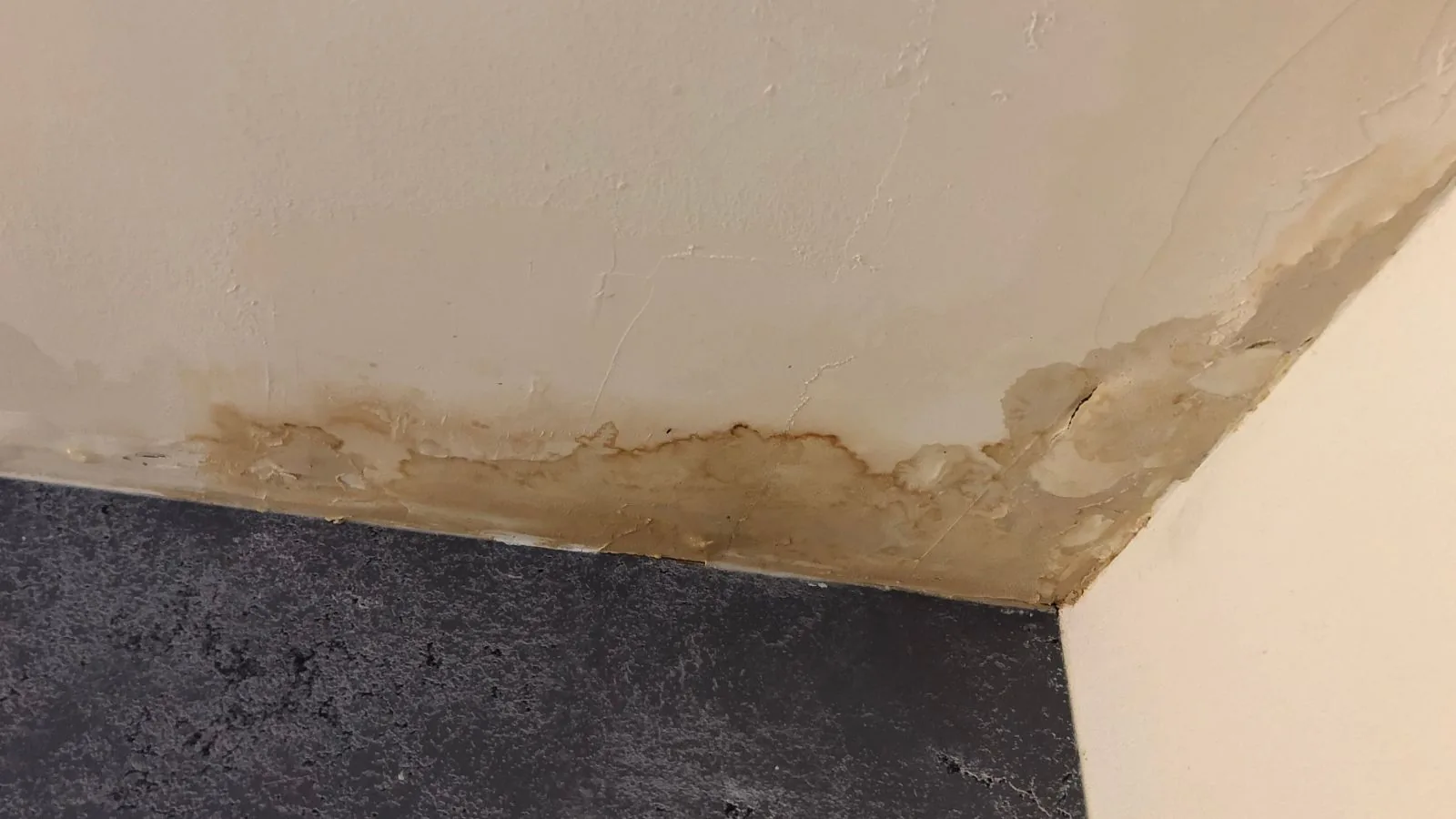
A water damage claim goes best when you act quickly, document everything and keep paperwork in one place. The steps below follow the order most homeowners face. They are general guidance. Your policy and your insurer control the process.
Keep one folder, paper or digital, for photos, receipts, emails and notes. Claims often take weeks, and details fade.
Step 1: Make the house safe and stop the water
Shut off the water at the main or at the fixture. If water is near electrical panels or outlets, stay away. If the loss involves sewage or flood water, avoid contact. Safety comes before photographs.
What to do in the first hour of a claim
- Make the house safe and stop the water.
- Photograph every affected room and the source.
- Call your insurer and note the claim number.
- Begin water removal and drying.
- Keep damaged parts and receipts.
Step 2: Document the damage before cleanup
Take wide photos of each affected room, close photos of damaged items and a short video walkthrough. Photograph the source of the water, such as a broken hose or a failed heater. Note the date and time you found it.
- Photograph standing water and water lines on walls.
- Photograph serial numbers and labels on damaged appliances.
- List damaged belongings with age, cost and condition.
- Keep samples of damaged carpet or flooring if the adjuster may ask.
- Save any part that failed, such as a hose or valve.
Step 3: Call your insurer and start mitigation
Report the loss as soon as you can. Ask about coverage, the deductible and any rules for emergency services. Policies require you to protect the property, so water removal and drying should begin even before the adjuster arrives.
Keep every receipt. Emergency drying, board-up and temporary repairs are usually part of the claim when the loss is covered.
Step 4: Work with the adjuster
An adjuster inspects the damage and estimates the repair. Be present if you can. Share your photos and moisture logs. Ask for the estimate in writing and ask what the adjuster counted and left out.
| You provide | You ask |
|---|---|
| Photos, video and item list | What does the policy cover for this cause? |
| Moisture logs and invoices from the restoration crew | How is mitigation billed and paid? |
| Receipts for temporary housing or repairs | Is loss of use covered? |
| Contractor estimates | What is the timeline for payment? |
Step 5: Repairs, payment and follow-up
After drying, repairs begin. Get written estimates and compare them to the adjuster's. If the amounts differ, send your documentation and ask for a review. Keep every communication in writing when you can.
If you disagree with a decision, ask for the reason in writing and review your policy. The Illinois Department of Insurance offers consumer help for complaints and questions.
Common mistakes that slow a claim
- Throwing items away before photographing them.
- Waiting days to start drying.
- Skipping receipts for emergency work.
- Signing a contract before understanding what the policy covers.
- Assuming the claim is denied without asking why.
Keeping a claim log
A simple log keeps a long claim organized. Write down every call, with the date, the person you spoke with and what was said. Save emails and letters. Keep a running list of costs, with receipts. When a question comes up months later, the log answers it.
- Record the claim number on the first page of the log.
- Note the name and direct line of the adjuster.
- Photograph every room again after drying and again after repairs.
- Keep a folder for invoices from the restoration crew and repair contractors.
- Ask for copies of any report the insurer prepares.
What an adjuster looks for
An adjuster looks for the cause, the extent and the timing. They want to know when the water started, how long it ran and what you did to stop it. Moisture logs and dated photographs answer those questions. Be honest about what you know and what you do not.
If the cause is unclear, the adjuster may ask a plumber or engineer to inspect. Keep failed parts, since they can show how the loss happened.
Claim tips for Woodridge homes
Many Woodridge homes have finished basements, and a lot of basement losses involve sump pumps or sewer backup. Ask early whether you carry water backup coverage, and keep the pump's age and model on hand. Look up your address on the FEMA Flood Map Service Center if the water came from outside.
For the physical side, see water extraction and the Woodridge service area page.
Start drying while you file
Call the 24/7 line. Crews begin removal and keep moisture logs for your claim.
Call (630) 580-6401Water damage claim questions from Woodridge homeowners
As soon as possible. Policies often require prompt notice, and drying cannot wait.
You can. Policies require you to prevent further damage. Keep photos and receipts and share them with the adjuster.
Photograph and list them first. For large items, ask if the adjuster needs to see them. Keep samples if asked.
Send your contractor's estimate and documentation, and ask for a review. You can also ask for a written explanation.
It varies with the size of the loss and the insurer. Mitigation starts right away. Repair and payment can take weeks.
Start with your insurer's process, then contact the Illinois Department of Insurance for consumer help.
Sources and standards: consumer guidance from the Illinois Department of Insurance on filing claims, and the ANSI/IICRC S500 Standard for Professional Water Damage Restoration. This is general information, not insurance or legal advice.