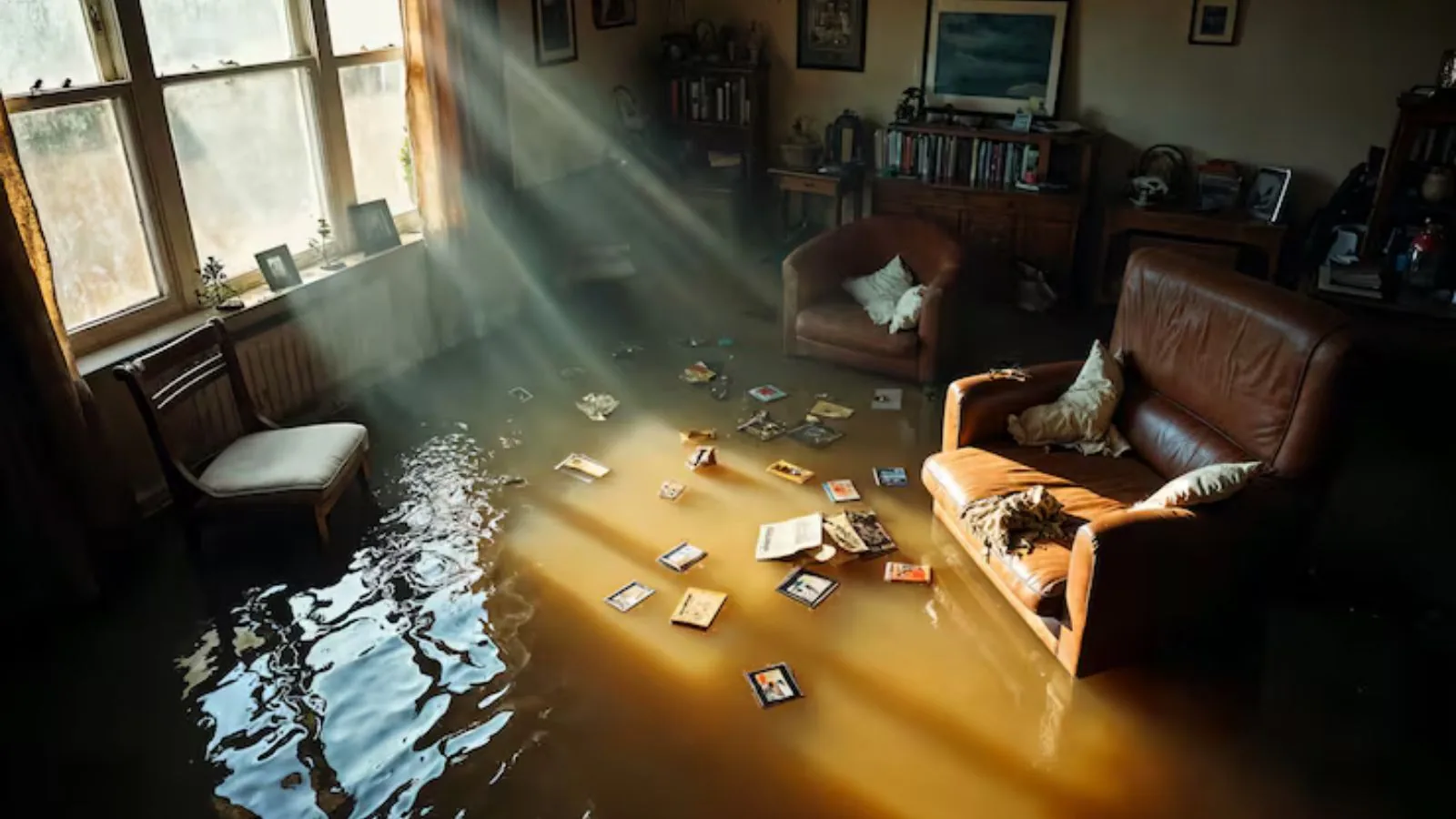
Wet photos and papers can often be saved if you act quickly. Within a day or two they begin to stick together, stain and grow mold. The first goal is to stabilize them, and the second is to dry them without damage.
This guide covers common household items. Valuable or irreplaceable items may need a conservator.
Safety first
If the water was contaminated, treat items as contaminated. Wear gloves and wash hands. Do not clean items that touched sewage yourself. Discard low-value papers and photograph the rest.
Air drying photos and papers
How to air dry small items
- Handle by the edges and avoid touching surfaces.
- Rinse photos gently in clean water if they are muddy.
- Lay items face up on clean paper towels or blotting paper.
- Replace towels when wet and keep air moving with a fan, not heat.
- Keep items out of direct sunlight.
Do not use a hair dryer on high heat. Do not peel stuck photos apart. Soak them in cool water to loosen them.
Freezing as a way to buy time
If you have more than you can dry in a day or two, freeze them. Place items in freezer bags with wax paper between sheets. Freezing stops mold and gives you time to dry them later or to hire a specialist.
| Item | What to do | Notes |
|---|---|---|
| Loose photos | Rinse, air dry face up | Do not stack |
| Framed photos | Remove from glass and frame | Wet glass can stick to the image |
| Books | Stand on end, fan open, or freeze | Pages stick as they dry |
| Important papers | Air dry or freeze, then copy | Copies protect the original |
| Negatives and film | Rinse in clean water, hang to dry | Handle by edges |
Scan and copy as you go
As soon as items are dry, scan or photograph them. A digital copy protects you if the paper fails later. For legal documents such as deeds or birth certificates, ask the issuing office about replacements.
- Make copies of anything you can still read.
- Store originals in a dry, flat place.
- Upload scans to cloud storage.
- Keep a list of replaced documents.
When to call a specialist
For rare photos, family archives, books or art, a document recovery or conservation service can help. They use freeze-drying and vacuum drying, which are not available at home.
Storage after drying
Once photos and papers are dry, store them flat in acid-free folders or archival boxes. Keep the box in a cool, dry place on an upper shelf. Avoid basements and attics, where humidity swings are large. Put a silica gel packet in the box to absorb stray moisture.
- Use archival sleeves for photographs.
- Interleave papers with acid-free tissue if they may stick.
- Label boxes by year or event.
- Keep digital copies in two places.
- Check the box twice a year for dampness.
Treat stained or moldy photographs gently. Do not scrub them. A conservator can help with valuable images.
Basement storage in Woodridge homes
Many local families store photos and papers in basement boxes, where water collects first. Move irreplaceable items to a shelf off the floor or to an upper level. Waterproof plastic bins with lids protect more than cardboard.
For cleanup help, see water extraction and the Woodridge service area page.
Water reached your storage?
Call the line. Crews can help remove water and move items.
Call (630) 580-6401Photo and document questions from Woodridge homeowners
About one to two days before they stick or mold. Freezing buys more time.
No. Soak them in cool clean water and let them loosen.
Yes. Use freezer bags with wax paper between sheets. Freezing stops mold.
Only on low or cool. High heat can warp or damage photos.
Stand them on end, fan open the pages and use a fan. Freeze if you cannot dry them in a day.
A document recovery or conservation service. Ask your insurer if the cost is covered.
Sources and standards: the ANSI/IICRC S500 Standard for Professional Water Damage Restoration, which defines water categories, drying classes and goals, and consumer guidance from the Illinois Department of Insurance on homeowners coverage. These are general references and not a promise of coverage or a result.