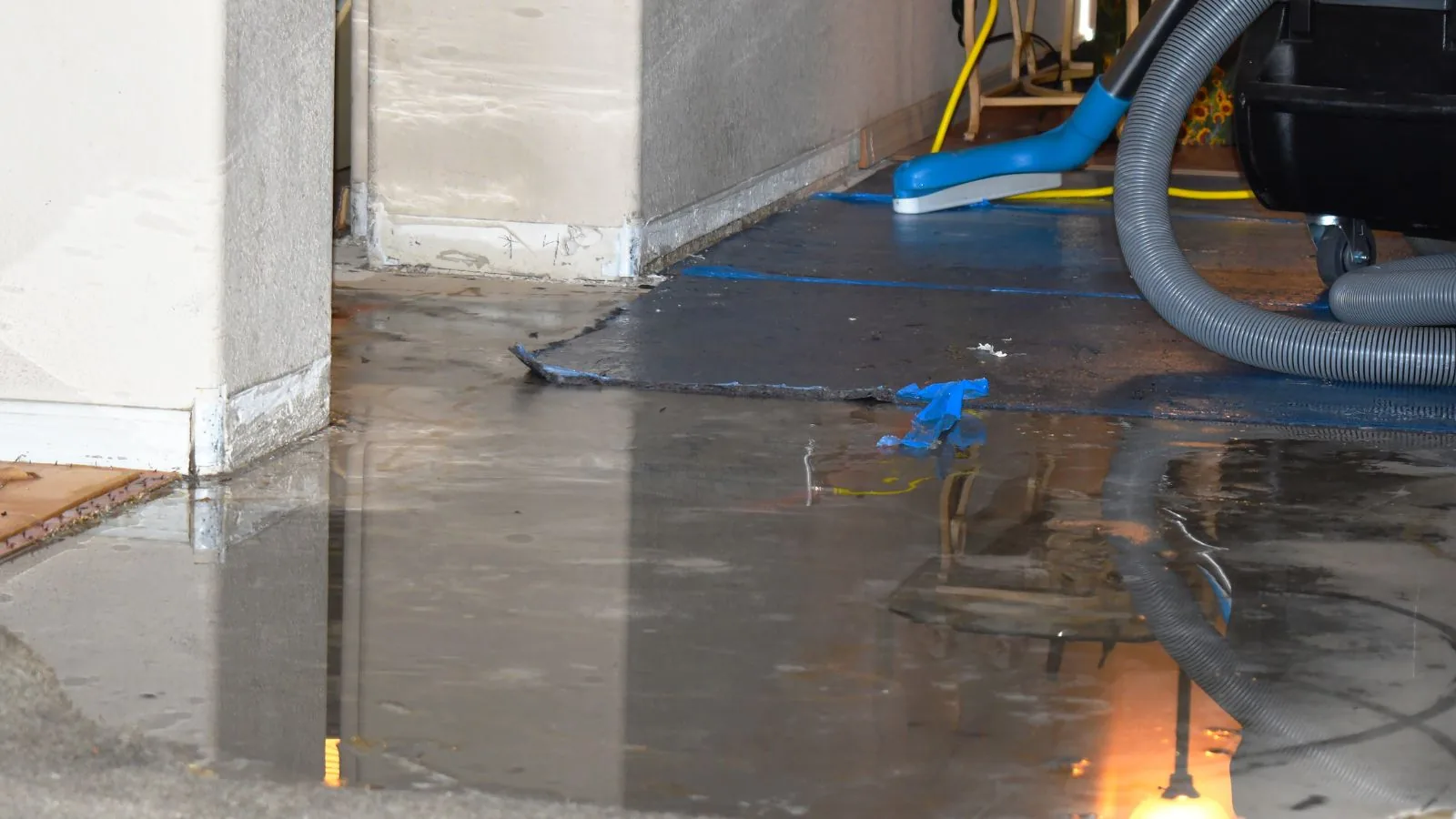
When water is in your house, you do not have time to research. A short list of questions helps you compare companies quickly and avoid surprises. Ask them on the phone before anyone arrives, and ask again when the crew shows up.
The answers should be specific. If a company cannot explain its process, keep looking.
Questions about the process
- What will you do first, and what comes after?
- How will you find hidden moisture?
- What equipment will you use, and how many pieces?
- How often will you return to check readings?
- What standard guides the work?
The ANSI/IICRC S500 standard is the industry guide for water damage restoration. A good company can describe how it follows it.
Questions about price and scope
- What is included in the written scope?
- What could change the price, and who approves changes?
- How is equipment charged: per day or per job?
- What happens if more damage is found?
- Will you provide a written estimate before work starts?
Ask for the scope in writing. Be wary of a flat price offered over the phone with no description of work.
| Topic | Clear answer | Vague answer |
|---|---|---|
| Drying | Daily readings, equipment moved as needed | We will see how it goes |
| Price | Itemized scope and approval for changes | A single number, no details |
| Timeline | Estimated days based on readings | Done in a day |
| Paperwork | Moisture logs and photos provided | Trust us |
Questions about records and insurance
Ask whether the company keeps moisture logs and photos and whether you can have copies. These records support an insurance claim. Ask how invoices are structured and whether the company will talk with your adjuster.
Do not accept promises about what insurance will pay. Coverage depends on your policy. A company can explain documentation but cannot promise payment.
Questions about the crew and the site
- Who will be on site, and who is the contact for questions?
- How will you protect furniture and floors?
- Will you protect the rest of the house from dust and moisture?
- How will you dispose of removed materials?
- What do you need from me during the job?
Red flags to watch for
- Pressure to sign before you understand the scope.
- A promised exact arrival time, since traffic and storms can change it.
- A promise to waive your deductible.
- No mention of moisture meters.
- Refusal to put anything in writing.
Checking reputation and references
A company's reputation shows in its reviews, its references and how it answers hard questions. Read recent reviews from several sources and note how the company responds to complaints. Ask for the names of recent customers you can call, if they are willing.
- Look for specific details in reviews, not just star ratings.
- Check how long the company has worked in the area.
- Ask whether the crew members are employees or subcontractors.
- Ask whether the company follows an industry standard for drying.
- Confirm the company will keep working until readings are dry.
No single signal is enough. A mix of clear answers, written scope and fair communication is the best guide.
Choosing a company in the Woodridge area
Woodridge is served by crews coming from across DuPage County. After a big storm, response times stretch for everyone. Ask for the dispatcher's plan, and keep the number of a backup. Permits for rebuild work run through the Village Community Development office at 630-719-4750.
For details on service, see water extraction and the Woodridge service area page.
Ready to talk through a job?
Call the line. Describe the loss and ask your questions.
Call (630) 580-6401Hiring questions from Woodridge homeowners
Ask for a written scope, moisture logs and clear answers about process. Check reviews and references.
If time allows, yes. Emergency water removal cannot wait long, but rebuild work can be compared.
It helps at the start and when decisions are made. Ask the company what it needs.
No. Coverage is decided by your insurer.
A written scope, moisture logs, photos, an invoice and a sign-off at the end.
Water removal takes hours. Drying usually takes three to five days. Rebuild is separate.
Sources and standards: the ANSI/IICRC S500 Standard for Professional Water Damage Restoration, which defines water categories, drying classes and goals, and consumer guidance from the Illinois Department of Insurance on homeowners coverage. These are general references and not a promise of coverage or a result.