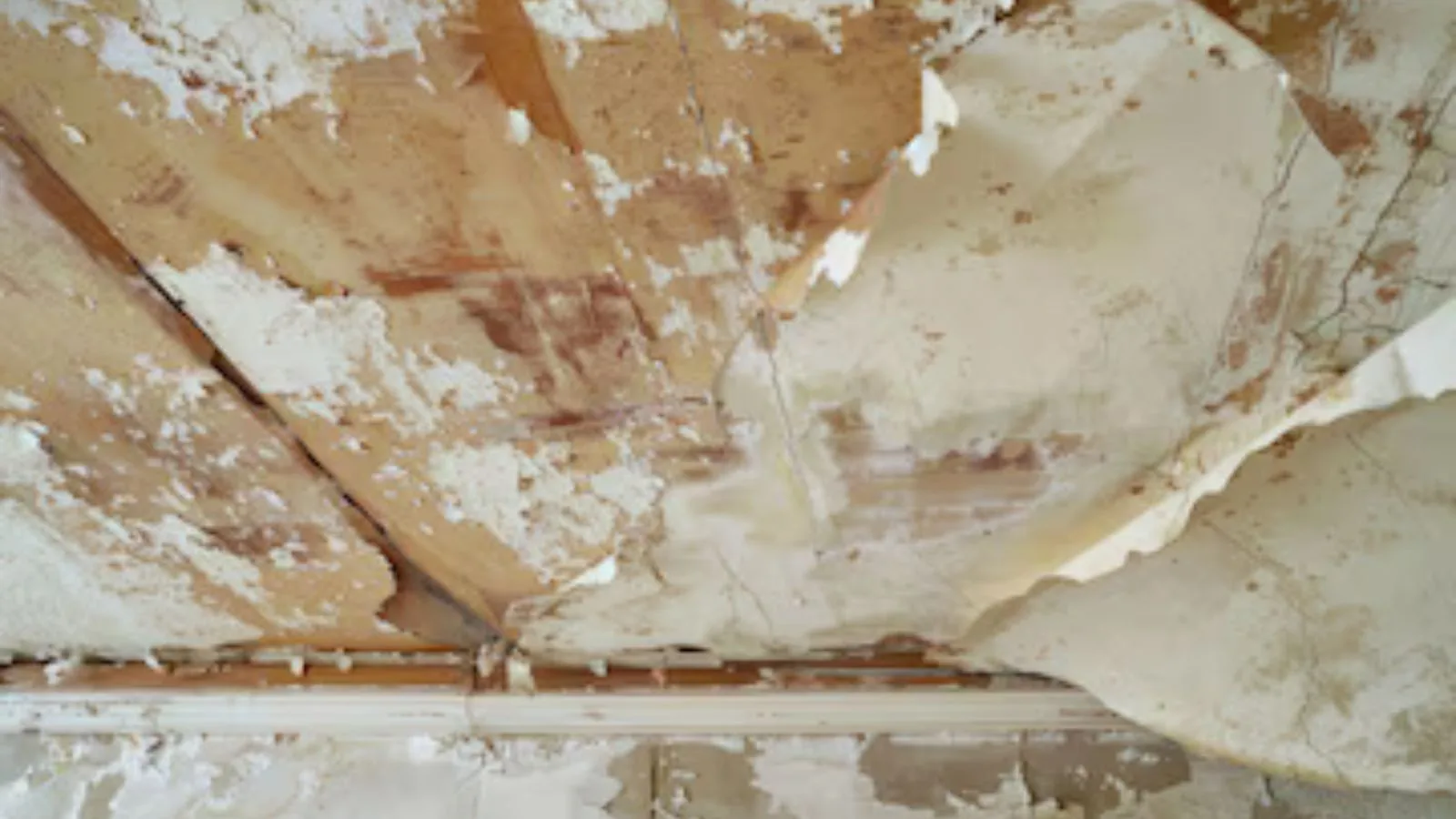
People search for a product to get rid of mold because they want a fast fix. A product can remove a small surface spot on a hard material. It cannot stop growth that comes back, and it cannot clean mold out of drywall, carpet or insulation.
This guide describes the limits of cleaners and when to stop. It does not make health claims. If you have health concerns about mold, talk to a doctor.
Why moisture matters more than the product
Mold needs water, a food source and time. Wet drywall, carpet, wood and dust all feed it. If the moisture stays, any cleaner only slows the return. Fixing the source of water is step one.
Common sources include a leak behind a wall, a damp basement, poor ventilation in a bathroom and condensation on cold surfaces.
What household products can do
| Product | Where it can help | Limits |
|---|---|---|
| Dish soap and water | Wipe small spots on hard, non-porous surfaces | Does not fix moisture |
| White vinegar | Surface cleaning on some hard materials | Not for porous materials, strong smell |
| Hydrogen peroxide | Light surface cleaning on some hard materials | Can bleach or damage finishes |
| Commercial mold cleaners | Follow the label on hard surfaces | Do not combine with other chemicals |
| Bleach | Hard, non-porous surfaces only | Does not penetrate porous materials, fumes can be harmful |
Never mix bleach with ammonia or other cleaners. The fumes are dangerous. Ventilate the room, wear gloves and eye protection and follow the product label.
When a product is not enough
- The affected area is larger than about 10 square feet, a size EPA guidance uses as a rule of thumb.
- Mold is on drywall, carpet, ceiling tiles or insulation.
- It came back after you cleaned it.
- You smell mustiness but cannot find the source.
- The mold followed sewage or flood water.
In these cases, stop scrubbing. Disturbing large growth can spread it. See mold remediation for what professional removal involves.
What to do instead of reaching for a spray
A safer order of steps
- Fix the water source or dry the area first.
- Photograph the growth and note where it is.
- Wear gloves, eye protection and a mask rated for the job if you clean a small hard surface.
- Wipe the surface with detergent and water, then dry it fully.
- Throw away porous materials that stayed wet for more than a day or two.
Dehumidifiers, bathroom fans and repaired leaks do more than any cleaner. Keep indoor humidity under control, especially in basements.
Why painting over mold does not work
Paint does not kill growth under it. The stain can bleed back through, and moisture still feeds the mold. Replace damaged drywall, then prime and paint once the area is dry.
Reading product labels carefully
Labels matter. A product registered as a disinfectant or fungicide with the EPA has a registration number on the label. Others make claims without registration. Read the instructions for dwell time, dilution and surfaces. Using more than the label allows does not clean better and can damage materials.
- Check the label for the surfaces the product is meant for.
- Follow the dwell time on the label before wiping.
- Wear gloves and eye protection.
- Ventilate the room and keep pets and children away.
- Never mix products, especially bleach with ammonia or vinegar.
For porous materials such as drywall, ceiling tile and carpet, the label does not change the answer. These are removed and replaced when growth has gone through them.
What professionals use instead
Professionals rely more on removal and HEPA filtration than on chemicals. They cut out affected material, vacuum with HEPA equipment, wipe surfaces and dry the space. Some use antimicrobial treatments after cleaning, but only as a supplement to removing the cause.
Mold and moisture in Woodridge basements
Many local homes have finished basements, where humidity runs high in summer. A dehumidifier set to the range on the unit, a working sump pump and clear gutters reduce the conditions that feed growth. Check behind stored boxes along exterior walls.
For help in your area, see the Woodridge service area page.
Mold bigger than a small spot?
Call the line to discuss inspection, containment and cleanup.
Call (630) 580-6401Mold product questions from Woodridge homeowners
No single product fits every case. For small spots on hard surfaces, detergent and water work. Porous materials usually need removal.
It cleans the surface but does not reach the inside of porous drywall. Wet or moldy drywall is usually replaced.
Vinegar can clean some hard surfaces. It does not fix moisture or help with porous materials.
Fix leaks, dry wet areas within a day or two, ventilate bathrooms and keep humidity moderate.
When the area is large, hidden, on porous materials or linked to sewage or flooding.
Testing is optional for visible growth. It can help when mold is hidden or when an insurer or buyer asks.
Sources and standards: U.S. EPA guidance on mold cleanup, the ANSI/IICRC S520 Standard for Professional Mold Remediation and product label instructions. These are general references and not health advice.