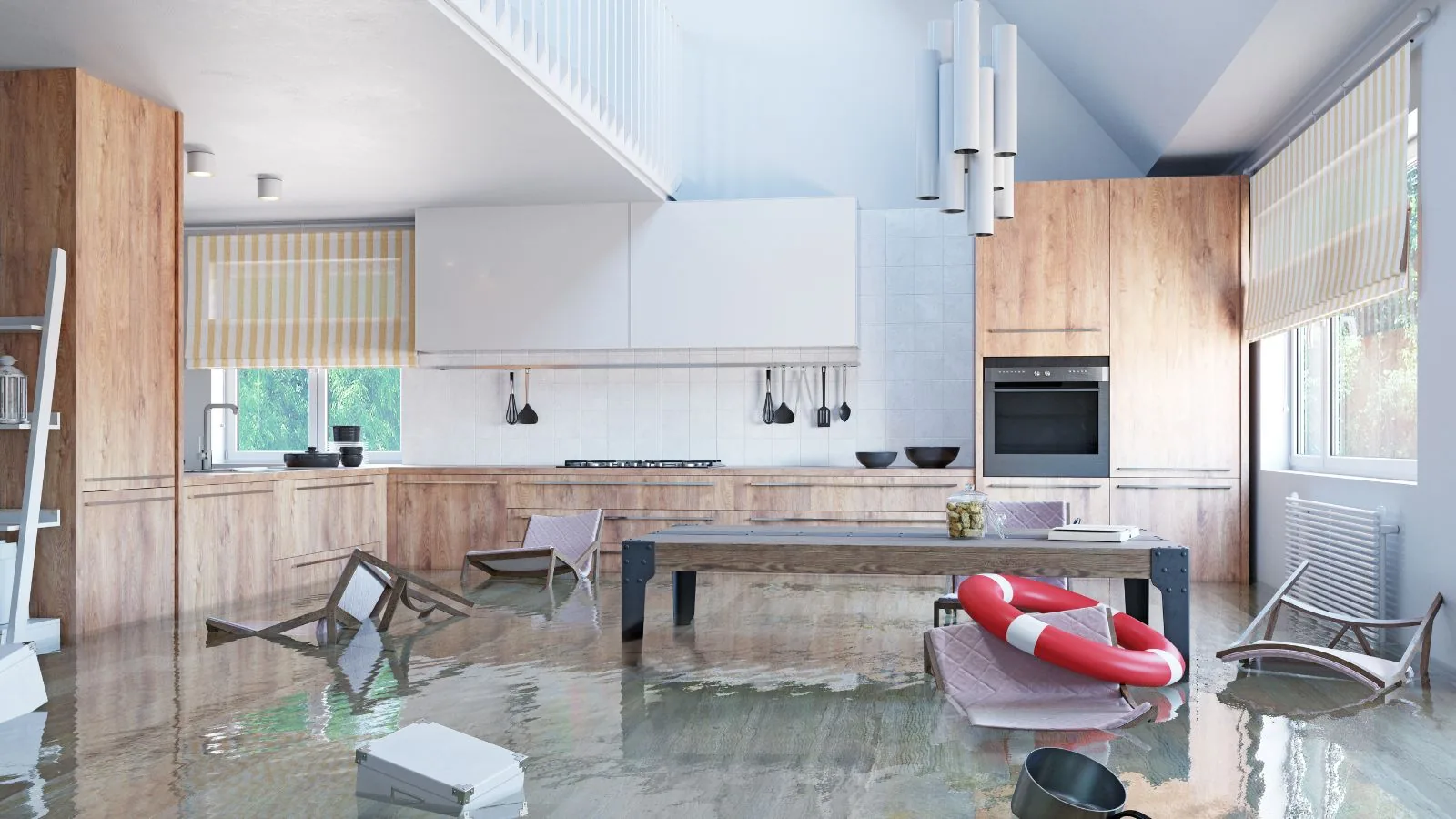
After a leak or flood, you face a pile of wet belongings and no clear rule. Two questions sort most items: what kind of water touched it, and what is it made of. Clean water on hard items is often recoverable. Dirty water on porous items usually is not.
Photograph everything before you decide, and keep records for your insurer.
Water type comes first
| Category | Source | General approach |
|---|---|---|
| Category 1 | Clean supply line or rain | Most items can be dried or cleaned |
| Category 2 | Washing machine or dishwasher discharge | Hard items cleaned, porous items often discarded |
| Category 3 | Sewage, river flood, ground water | Porous items discarded, hard items sanitized |
These categories come from the ANSI/IICRC S500 standard. Water that sits for more than a day can move to a worse category.
Items that are usually worth saving
- Glass, metal and ceramic dishes after washing and sanitizing.
- Solid wood furniture dried slowly.
- Hard plastic toys and tools, cleaned.
- Sealed concrete and tile items.
- Photos and documents, if frozen or dried quickly.
For photos and papers, see the steps for saving documents, which are a separate task.
Items that are usually thrown away
- Mattresses, pillows and upholstered furniture that sat in dirty water.
- Carpet pad and carpet soaked by Category 2 or 3 water.
- Particleboard furniture and cabinet bases that swelled.
- Stuffed toys and soft goods from Category 3 water.
- Food, medicine and cosmetics that touched flood water.
When in doubt, photograph, list and discard what could affect health. Do not keep items you would not use again.
Clean and sanitize hard goods
A basic cleaning order
- Wear gloves and boots.
- Wash with hot water and detergent.
- Rinse with clean water.
- Sanitize with a household disinfectant following the label.
- Dry fully before storing.
Do not mix chemicals. Ventilate while cleaning.
Furniture and electronics
Solid wood can often be dried and refinished. Upholstery depends on the water type. Electronics should not be turned on until checked. See the related guide on electronics. Appliances that touched flood water, such as a furnace or a fridge, should be inspected by a technician.
Documenting what you discard
Before throwing anything away, take photos and write a list with the item, age, price and condition. Insurers use this list to calculate contents coverage. Keep receipts and model numbers where you can. For large items, take photos of the label or serial number.
If an item is too contaminated to keep, bag it and dispose of it. Do not leave it in the house, where it can add odor and growth.
| Item | Age | Condition | Action |
|---|---|---|---|
| Sofa | 6 years | Soaked to the seat | Discard |
| Metal shelf | 10 years | Wet, no damage | Clean and keep |
| Box of papers | Varies | Wet | Freeze or dry |
Salvage after a Woodridge basement loss
Most local losses happen in finished basements, where carpet, drywall and stored boxes take the water. Cardboard boxes, pad and drywall seldom survive. Metal shelving, plastic bins and hand tools usually can. Sort items by water category, not by sentimental value alone.
For cleanup help, see basement water damage cleanup and the Woodridge service area page.
Not sure what is safe to keep?
Call the line. A crew can sort items by water type and material.
Call (630) 580-6401Salvage questions from Woodridge homeowners
Solid wood often can be dried. Upholstered or particleboard pieces usually cannot, especially from dirty water.
Yes if it touched dirty water. Mattresses hold water and are hard to sanitize.
Clean-water laundry can be washed. For flood or sewage water, wash hot or discard.
Discard those from Category 3 water. For clean water, machine wash if the label allows.
Photograph and list them. Ask if the adjuster wants to see large items first.
No. Discard food that touched flood or dirty water.
Sources and standards: the ANSI/IICRC S500 Standard for Professional Water Damage Restoration, which defines water categories, drying classes and goals, and consumer guidance from the Illinois Department of Insurance on homeowners coverage. These are general references and not a promise of coverage or a result.