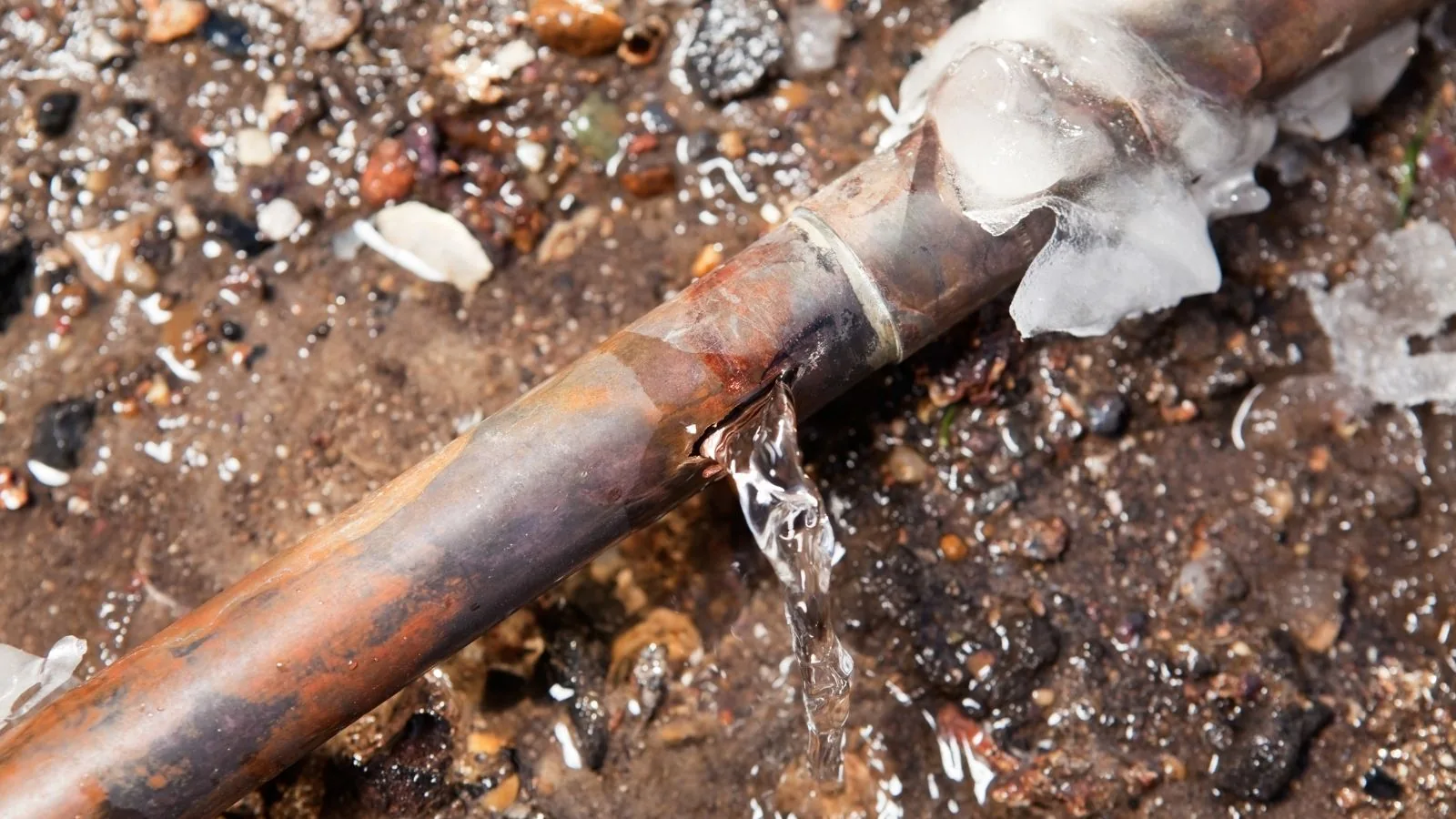
Whether homeowners insurance covers water damage depends on the cause, the speed and your policy wording. A pipe that bursts suddenly is often covered. A flood from outside, a slow leak or a sewer backup often is not, unless you added coverage.
This guide explains the usual rules in plain language. It is general information, not legal advice, and your policy and your insurer decide what applies to your loss.
Sudden and accidental versus gradual
Most policies cover water damage that is sudden and accidental. Examples include a burst supply line, a failed water heater tank, an overflowing washing machine hose or a frozen pipe that splits. The key idea is that the water arrived quickly and was not expected.
Gradual damage is treated differently. A pipe that drips for months, a seep around a toilet or a shower pan leak that rots a floor is usually considered maintenance. Insurers often exclude it, and they may also refuse the repair of the fixture that leaked.
| Event | Often covered? | Notes |
|---|---|---|
| Burst pipe or supply line | Often yes | Sudden and accidental |
| Water heater tank failure | Often yes, for the water damage | The heater itself is usually not covered |
| Appliance hose burst | Often yes | Slow seepage may be excluded |
| Roof leak from storm damage | Often yes | Worn roofs may be excluded |
| Surface flood or river overflow | Usually no | Needs a separate flood policy |
| Sewer or sump backup | Often no | Needs an endorsement |
| Gradual leak or seepage | Usually no | Treated as maintenance |
What to do right after a water loss
- Shut off the water and stay away from wet outlets and panels.
- Take photos and video before you clean up.
- Call your insurer and ask what they need.
- Start drying so the damage does not grow.
- Keep receipts for emergency work.
Floods, groundwater and backups need separate coverage
The Illinois Department of Insurance says standard homeowners policies exclude flood and maintenance-type seepage. Flood coverage is sold separately, through the National Flood Insurance Program or private carriers. Most flood policies have a waiting period, so they must be bought before a storm.
Sewer and sump backup is a common surprise. Many basement losses in the Chicago area come from a backup, not a pipe. A water backup endorsement can add coverage for it, often with a lower limit. Check whether you have one.
What you owe the insurer after a loss
- Report the loss promptly and ask what they need from you.
- Take reasonable steps to stop more damage, such as shutting off water and drying.
- Keep receipts for emergency work and temporary repairs.
- Photograph and video damage before cleanup, and keep damaged items if asked.
- Do not throw away large items until the adjuster has seen them or approved disposal.
Most policies require you to protect the property from further damage. Drying and water removal count. Delays can reduce what is paid, so do not wait for the adjuster before calling a crew.
Deductibles, limits and exclusions
Your deductible is what you pay before coverage applies. Some policies have a separate, higher deductible for certain water events. Limits cap what is paid, and sub-limits can apply to items such as mold or water backup.
Read the exclusions section. Words such as seepage, continuous leakage and wear and tear are common. If you are unsure what a clause means, ask your agent to explain it in writing.
Questions to ask your insurer
- Is this loss sudden and accidental under my policy?
- Do I have water backup or sump overflow coverage?
- What is my deductible for this type of loss?
- Will you pay for emergency mitigation before the adjuster visits?
- What documents do you need from me?
Common surprises homeowners run into
Many homeowners are surprised by three things. First, the cause of the water decides coverage, not the damage itself. Second, the repair of the part that failed is often excluded, even when the water damage is covered. Third, a claim can take weeks, so keep paying for emergency work out of pocket until it is reimbursed.
Another surprise is the difference between actual cash value and replacement cost. Actual cash value subtracts depreciation. Replacement cost pays to replace items at current prices. Check which one your policy uses for your belongings and for the structure.
- Cause of loss matters more than the amount of damage.
- The failed pipe or fixture is often not covered, but the damage it caused may be.
- Some items have sub-limits, such as electronics or jewelry.
- Mold, backup and flood often have separate limits.
- Late reporting can reduce what the insurer pays.
Water insurance questions in Woodridge, IL
Woodridge is in DuPage County, and some low areas near the East Branch DuPage River sit in mapped flood zones. Check the FEMA Flood Map Service Center for your address. Many local basements are finished, so a sump or backup endorsement is worth a look.
For help with the physical side of a loss, see basement water damage cleanup or the Woodridge service area page.
Water damage right now?
Call the 24/7 line. Crews remove water and dry the structure while you work with your insurer.
Call (630) 580-6401Insurance and water damage questions from Woodridge homeowners
Often yes, if the pipe burst suddenly. The policy usually pays for the damage the water caused, and sometimes for access to the pipe. Read your policy.
It depends on the cause. A pipe break may be covered. Groundwater, surface flooding and sump failure usually need flood coverage or a backup endorsement.
Usually not. Gradual leakage is treated as maintenance. A sudden break caused by a hidden leak may be treated differently, so ask.
Both quickly. Policies require you to prevent more damage, and drying should not wait for the adjuster.
It can. Insurers may look at claim history. Ask your agent how a claim could affect your renewal.
Your agent, and the Illinois Department of Insurance consumer resources. They can explain exclusions and filing steps.
Sources and standards: consumer guidance from the Illinois Department of Insurance on homeowners and flood coverage, and the ANSI/IICRC S500 Standard for Professional Water Damage Restoration. This is general information, not insurance or legal advice.